
Plan winter team clothing by layer: a base garment, sweatshirt or fleece, and a suitable outer jacket. Compare the activity, fit, freedom of movement and individual model details. Choose logo placement to suit the garment and how it will be used.

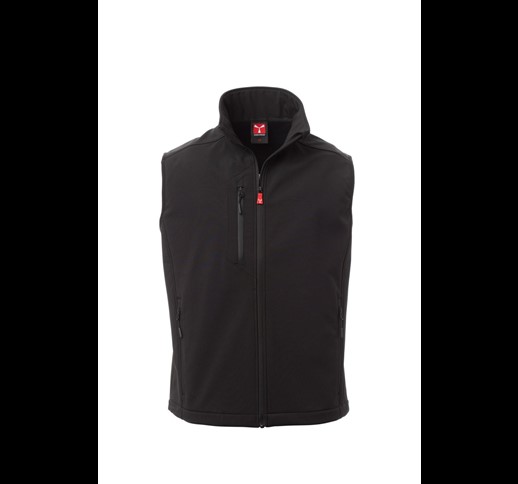


Consider the work setting and movement between indoor and outdoor spaces. A lighter base garment, sweatshirt or fleece and outer jacket allow different combinations. Check that the selected cuts fit comfortably together. A jacket tried over a thin T-shirt may fit differently when an extra layer is added.
Sweatshirts and fleeces provide options for a middle layer, while a vest leaves the arms freer. Choose around the tasks people perform and the appearance you need. Compare fleece styles by actual composition, weight and care information. A warm-sounding name does not establish the same thermal performance across every product.

Check the model’s outer fabric, lining, hood, closure and pockets. Where a specific weather-protection feature is needed, it must be stated for that exact item. Softshell, padded and other outer garments are not interchangeable. Compare the softshell jacket selection alongside the intended work setting.
Check back length, sleeves and width while making the movements required during work. For field tasks or frequent seated work, these details matter more than a size label alone. Collect sizes by model and try the planned layers together. Different cuts require their own size charts and may not fit the same way.
Consider what staff carry and whether they need zipped pockets. Compare hood design, cuffs and pocket access while wearing the rest of their equipment. These features differ between models. Review winter jackets and parkas for a more focused outer-layer selection.

Decoration depends on the fabric, lining, seams and access to the chosen area. A jacket may need a different logo position from a sweatshirt or fleece. For fabrics with specific features, confirm that the proposed technique is suitable. Agree the logo size and appearance on the selected garment before production.
Follow the individual model’s label and the instructions for its decoration. Padded jackets, fleeces and sweatshirts may need different care. For staff clothing, consider future orders for new team members or replacement pieces. Model, colour and size availability is checked when preparing a quotation.
List the garments, quantities by size, colours, artwork and deadline. Explain the work setting and any requirements for particular models. Compare long sleeve T-shirts for a base layer. Everyday team clothing should not be treated as certified protective equipment; specific requirements must be confirmed for the exact product.
Delivery within the agreed time
We offer the best prices for excellent quality
Unique and custom made gifts
Design, printing, engraving, embroidery
 EN
 SL
 EN


